
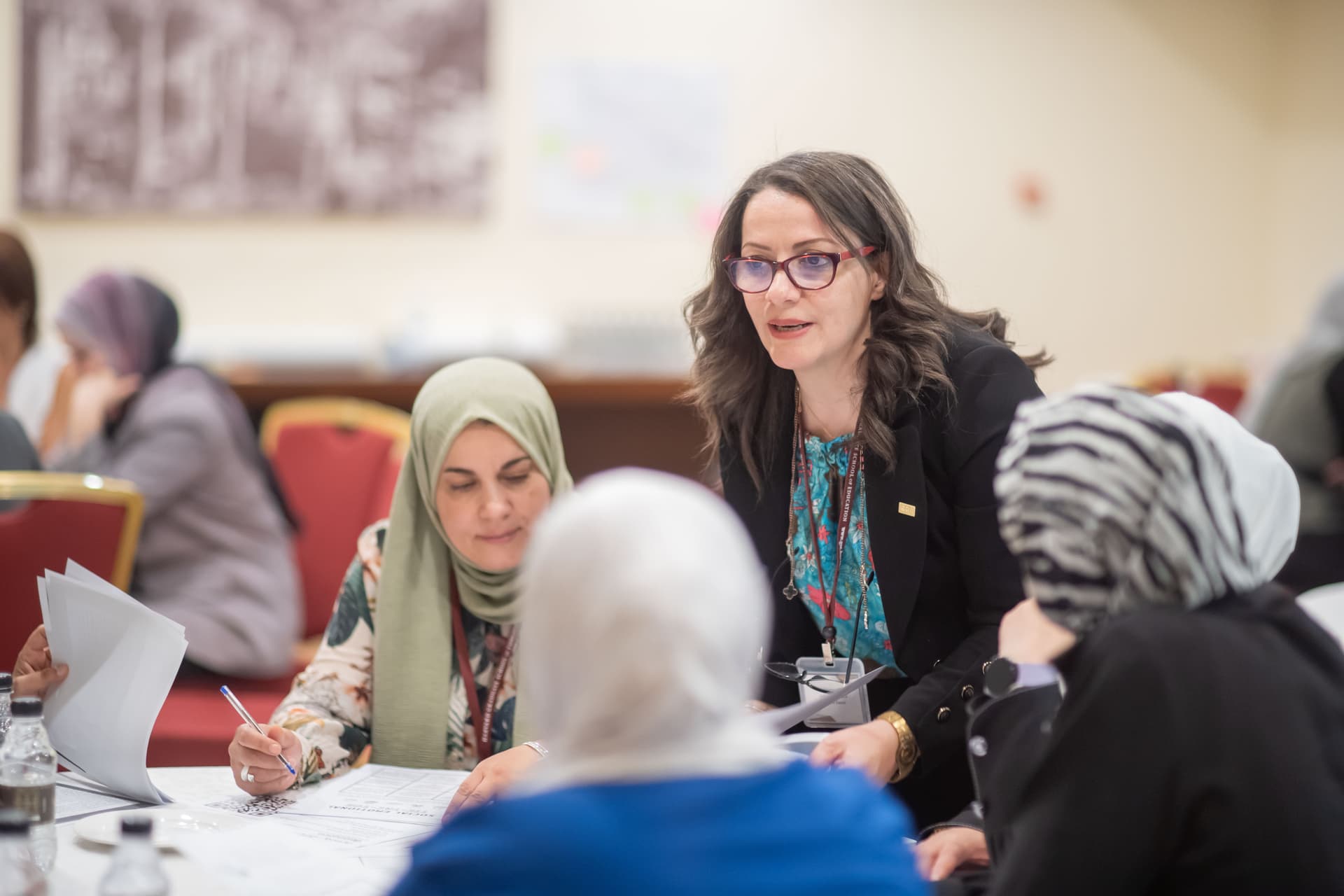
Learn structured, research-backed approaches to strengthen leadership, elevate instructional practice, and drive measurable improvement across your institution.
Program Highlights

Three-day institute with Harvard Graduate School of Education Faculty (Singapore)

Five online sessions by Harvard Graduate School of Education Faculty (100% Live interactive)

Five additional online sessions by Education Field Experts (100% Live interactive)

Certificate from Harvard Graduate School of Education

Peer coaching and assessments

Learn from world-renowned Harvard Graduate School of Education faculty and education field experts
Over the past decade, schools have been facing rising expectations, increasing complexity, and unprecedented pressure to deliver strong outcomes for every learner. Leaders are navigating shifting policies, diverse community needs, and new demands on teaching and learning, all while striving to build healthy cultures, improve instruction, and strengthen staff capability and wellbeing. Even highly skilled leaders benefit from structured opportunities to reflect on their work and sharpen the approaches that drive stronger results.
The Education Leadership Program (ELP) is a comprehensive, six-month learning journey designed to strengthen the strategic, instructional, and systems-thinking capabilities of education leaders. Through live interactive sessions led by Harvard Graduate School of Education faculty and education field experts, followed by a three-day institute with Harvard Graduate School of Education Faculty (Singapore), you will learn proven frameworks and practical tools to elevate leadership capacity and skills, build instructional leadership knowledge, and support the wellbeing of students and staff. The program welcomes applications from leaders across government and independent schools.
The Education Leadership Program offers a cohesive blend of virtual learning, collaborative inquiry, and an intensive three-day institute (Dubai) designed to strengthen leadership practice in K-12 institutions. Participants engage with research-backed frameworks, relevant case examples, and facilitated peer learning to support meaningful improvements in leadership, instruction, culture, and student outcomes.
Program Elements
- Three-day institute with Harvard Graduate School of Education Faculty (Dubai) where participants learn directly with Harvard Graduate School of Education faculty and convene with peers.
- Five online sessions by Harvard Graduate School of Education Faculty (100% Live interactive)
- Five additional online sessions by Education Field Experts (100% Live interactive)
- Structured peer coaching to extend learning between sessions and support real-time application and problem solving.
- Program assignments, including a problem of practice and a final action plan submitted via the course platform and reviewed by faculty.
Participants will be able to:
- Increase leadership capacity and skills of school leaders
- Improve the efficacy of school leadership teams
- Build instructional leadership knowledge to improve student outcomes
- Implement supportive systems to enhance culture and well-being of staff and students
- Apply practical tools and frameworks directly to your school or institution
Three-day institute with Harvard Graduate School of Education Faculty (Singapore)
Three-day institute with Harvard Graduate School of Education Faculty is designed to empower you to drive transformational school improvement, strengthen school culture, and implement high-quality instruction. You will leave equipped with actionable strategies to overcome challenges and create lasting impact in your school community.
In-person Sessions May Include
- Strategic Leadership in Action
- Instructional Leadership
- Family Engagement in Education
- Foundations of Childhood Development
- Building a Schoolwide System of Care
Live-Interactive Sessions May Include
Strategic Leadership
Develop the ability to articulate bold visions, make high-leverage strategic choices, and align people and resources to deliver institution-level impact.
Refining your Problem of Practice
Analyze problems of practice and start forming a theory of change through individual and paired exercises.
Systems Thinking
Apply systems thinking tools to map interdependencies, uncover root causes, and design integrated solutions that shift performance across the institution.
Digital Transformation in Schools
Create collaborative and learning-centered environments in organizations by applying leadership strategies that support ongoing professional growth.
AI in Education: Risks & Opportunities
Identify key risks and opportunities of using AI in education and explore practical strategies for its responsible implementation in your school.
Adaptive & Technical Leadership
Differentiate adaptive challenges from technical problems and apply the right leadership approach to mobilize people and drive meaningful change.
Leading Adult Learning
Create collaborative and learning-centered environments in organizations by applying leadership strategies that support ongoing professional growth.
Storytelling for Inclusive Cultures
Use narrative as a leadership tool to inspire commitment, strengthen inclusion, and unify teams around a shared cultural identity.
Leading Teams with Resilience
Build practices that help teams stay focused, adaptive, and high performing while navigating sustained pressure and change.
School Culture
Understand and define school culture and learn practical ways to enact your cultural vision.
Program assignments will include the following:
- Submission of problem of practice following the first section
- Submission of a final action plan to address the problem of practice
- Completion of pre- and post-readings that will summarize and reinforce the program content.
Assignments will be submitted via the course platform and receive feedback from program faculty.

Elizabeth City
Senior Lecturer on EducationElizabeth City is senior lecturer on education at the Harvard Graduate School of Education. City has served as a teacher, instructional coach, principal, and consultant, in each role focused on helping all children, and the educators who work with them, realize their full potential. City's work is a combination of pragmatic: 'How can we do our work better every day for children now?' — and imaginative — 'What might learning and the systems that support learning look like in the not-too-distant future?' City fell in love with teaching in a closet-turned-classroom in St. Petersburg, Russia. She still loves teaching, and sees leadership as a continuous act of learning and teaching. From her early passion for literacy as a middle school Humanities teacher to her current work in developing leaders, common themes in City's work are collaboration, evidence-based discussion, asking the right questions, thinking and acting strategically, and learning through doing.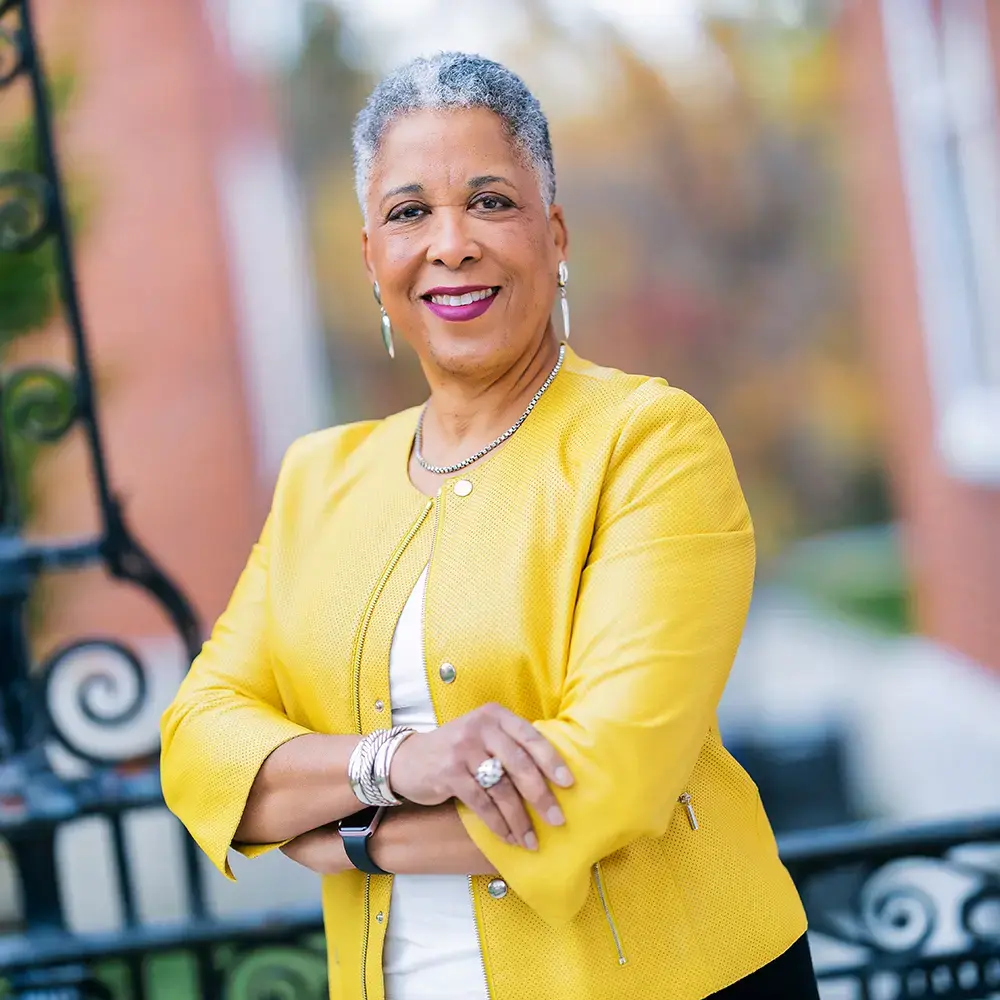
Karen L. Mapp
William and Miriam Meehan Professor of Practice in Adult Learning and Professional DevelopmentKaren Mapp is a professor of practice at the Harvard Graduate School of Education. Over the past 25 years, her research and practice focus has been the cultivation of partnerships among families, community members, and educators that support student achievement and school improvement. Mapp holds a doctorate and master's of education from the Harvard Graduate School of Education, a master's in education from Southern Connecticut State University, and a bachelor's degree in psychology from Trinity College in Hartford, Connecticut.
Vanja Pejic
Adjunct Lecturer on EducationVanja Pejic is an attending psychologist at Boston Children's Hospital and an instructor at Harvard Medical School. Pejic's research, practice, and teaching have focused on examining and reducing health inequities for marginalized children, youth, and families, with a special focus on immigrant and refugee populations. Much of her research and clinical experience have examined the development, implementation, and evaluation of culturally attuned prevention and intervention programs in school mental health.
The audience for this program will be school leaders, including principals, deputy principals, and other senior administrative and school leadership staff, from government and independent schools and a range of other K-12 institutions.
Participants will have:
- 10+ years of work experience and proven success in leading schools and K-12 institutions
- At least an Undergraduate degree
Upon successful completion of the programme, participants receive a digital certificate from Harvard Graduate School of Education.
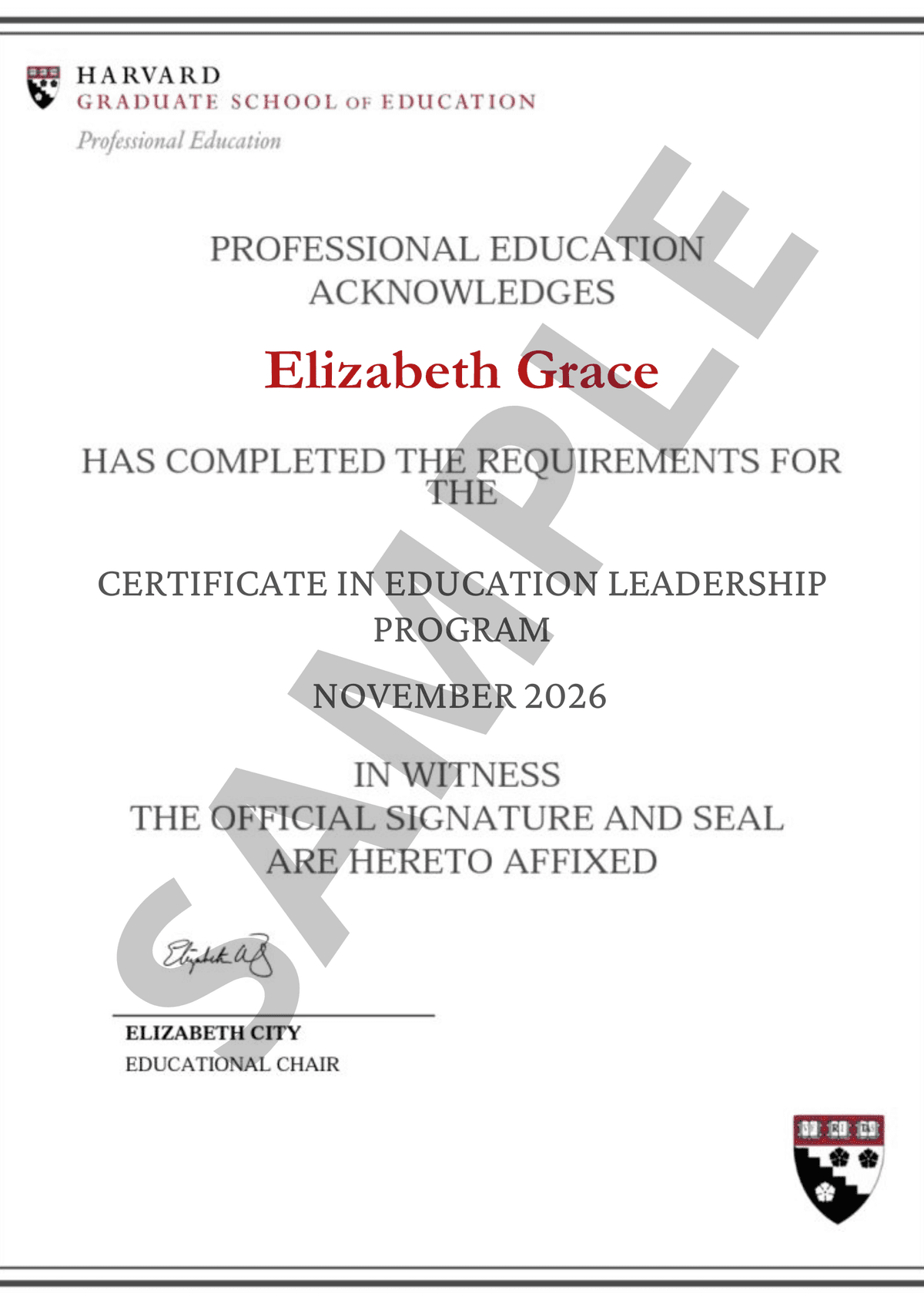
Please note: The certificate image is for illustrative purposes only and may be subject to change at the discretion of Harvard Graduate School of Education.
When reviewing applications, the Admissions Committee aims to maintain a balanced representation of institutions and academic functions, while carefully considering each candidate's experience, role, and responsibilities within their school or K-12 organisation.
Application Submission
Answer the questions and submit your form.
Application Fee: USD 500. This fee is refundable only if the application is not approved and will be credited toward the overall program fee upon acceptance.
Application Review
Admissions Committee will verify your application and evaluate it for eligibility and fit to the program
Result
Receive a decision on your program application via an email from the Admissions Committee
Disclaimer: The Program fee encompasses tuition fees, academic materials, and program-related meal expenses .The fees explicitly exclude transportation, lodging, visa charges, and any unspecified expenses. Furthermore, it does not encompass additional costs beyond those expressly detailed herein. Please note that in the event of a global or regional catastrophe, or any unforeseen circumstances, the program's schedule, delivery method, faculty, and associated elements are subject to change at the sole discretion of the university.
In accordance with Harvard University policy, Professional Education at the Harvard Graduate School of Education affirms the right of all individuals to equal treatment in education without regard to race, color, religion, sex, national origin, disability status, protected veteran status, gender identity, sexual orientation, pregnancy and pregnancy-related conditions, or any other characteristic protected by law.